Key Takeaways (Quick Navigation)
I've been thinking about this question since 2008, when I watched friends lose their retirement savings overnight. Not because they were reckless — but because they trusted the system. If the dollar collapses, your stocks, bonds, and bank deposits could become confetti. So what actually holds value? I've spent a decade testing different assets, and here's my honest list.
Why Bother? The Real Risk
Let's get real. National debt is skyrocketing, central banks print money like it's water, and geopolitical tensions are on fire. A dollar collapse isn't a conspiracy theory — it's a historical pattern. Every fiat currency eventually fails. The dollar has lost over 95% of its purchasing power since 1971. I'm not predicting doom tomorrow, but if you don't prepare for a black swan, you're gambling.
Gold & Silver: Timeless Insurance
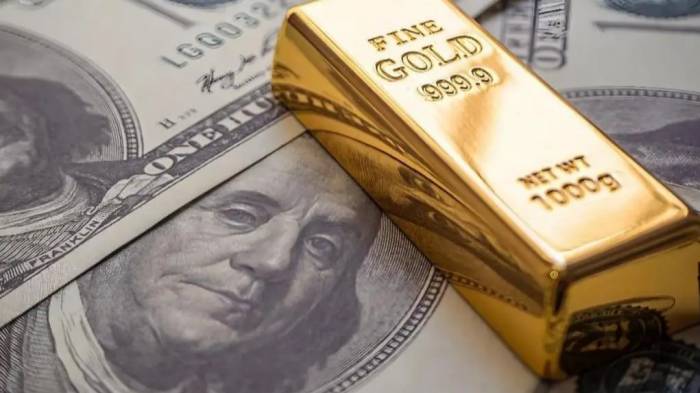
Gold is the classic hedge. But I've made mistakes. In 2011, I bought gold at $1,900, watched it drop to $1,200, and panicked. The lesson? Don't trade it — hold it. Physical gold (bars, coins) in your possession is key. ETFs? No thanks, because if the banking system freezes, your paper gold is just a promise.
Silver is more volatile but also more practical. I keep a stack of silver dimes (pre-1965) because they're fractional — you can trade a dime for a loaf of bread. I once bought a batch of generic rounds, but I wish I'd bought government-minted coins (like American Silver Eagles) because they're easier to verify. Counterfeits are real.
| Asset | Pros | Cons | My Recommendation |
|---|---|---|---|
| Gold Bullion | High value density, recognized globally | Hard to transact in small amounts, heavy premiums | 10% of your portfolio, stored in a safe or vault |
| Silver Coins | Fractional, liquid in barter | Bulky, heavy, volatile | 5-10% in pre-1965 US silver dimes |
| Platinum | Industrial demand, rare | Less liquid than gold | Small allocation only if you follow the market |
Land, Water & Food: Survival Essentials
When currency fails, people get hungry. I bought a small piece of farmland in Missouri after a buddy who lived through Zimbabwe's hyperinflation told me: "Land saved my family." He was right. I now grow vegetables and keep chickens. It's not romantic — it's work. But knowing I can feed myself is priceless.
If you can't buy land, focus on water. A good filter (like Berkey) and a supply of iodine tablets. I also have a well on my property, but I dug it before permits got expensive. Tip: Learn to purify water without electricity. During a collapse, infrastructure fails.
I recommend starting with: rice, beans, lentils, salt, cooking oil, honey (lasts forever), and multivitamins. Rotate your stock. Don't forget seeds — heirloom, non-GMO. Learn to garden. I killed my first three gardens; now I actually harvest.
Bitcoin, Guns & Skills
Bitcoin: Digital Gold or Digital Risky?
I own some Bitcoin, but I'm cautious. If the dollar collapses, will the internet work? In a short-term crash, maybe. But a prolonged collapse? I've seen my friends lose crypto in exchange hacks. Only keep what you can control — a hardware wallet stored in a safe. I wouldn't bet the farm on it, but a small allocation (2-5%) as a speculative hedge is okay.
Self-Defense: Don't Be a Victim
I hate that I have to say this, but when people are desperate, violence erupts. I keep a shotgun and a pistol. More importantly, I take training classes. A gun without skills is just a liability. I also have a bow for stealth hunting. Fact: In the 1990s Argentine collapse, neighborhoods with organized self-defense fared better. Talk to your neighbors now, form a community plan.
Skills Over Stuff
The most valuable asset is in your head. I learned to suture wounds from a YouTube channel (literally) — and then practiced on a pig's foot. I can fix a small engine, build a shelter, and identify wild edible plants. These skills are weightless and untaxable. Take a free FEMA course or join a local preparedness group.
Common Mistakes I've Seen
After a decade in the prepper community, I've watched people blow thousands on nonsense. Here's what not to do:
- Buying gold-plated junk: That “gold bar” from a late-night infomercial? Probably 99% tungsten. Always buy from reputable dealers (like APMEX or JM Bullion) and test with a magnet or specific gravity.
- Hoarding cash: If the dollar collapses, cash is worthless. I know a guy who kept $50k in a safe. In a hyperinflation scenario, that buys a cup of coffee.
- Forgetting barter items: People think they'll trade gold coins for groceries. Reality? In most collapse scenarios, you need small denomination items — cigarette lighters, alcohol, batteries, antibiotics (fish antibiotics are a common hack). I keep a bag of such items.
- Neglecting medical: A simple infection can kill you. Stock antibiotics (with a vet prescription, for fish), suture kits, and basic dental tools. I learned the hard way when I got a tooth abscess and couldn't see a dentist.
Frequently Asked Questions
This article is based on my personal research and experience. Always do your own due diligence. No financial advice intended.