I still remember my first run down a groomed black at Winter Park. My legs were on fire six turns in. Turns out, the ski fitness exercises I'd done all fall — mostly jogging and a few squats — did almost nothing for the specific way skiing loads your quads and stabilizes your knees. That was years ago. Now I test ski workout plans on snow, not just in the gym. Here's what actually transfers to the mountain.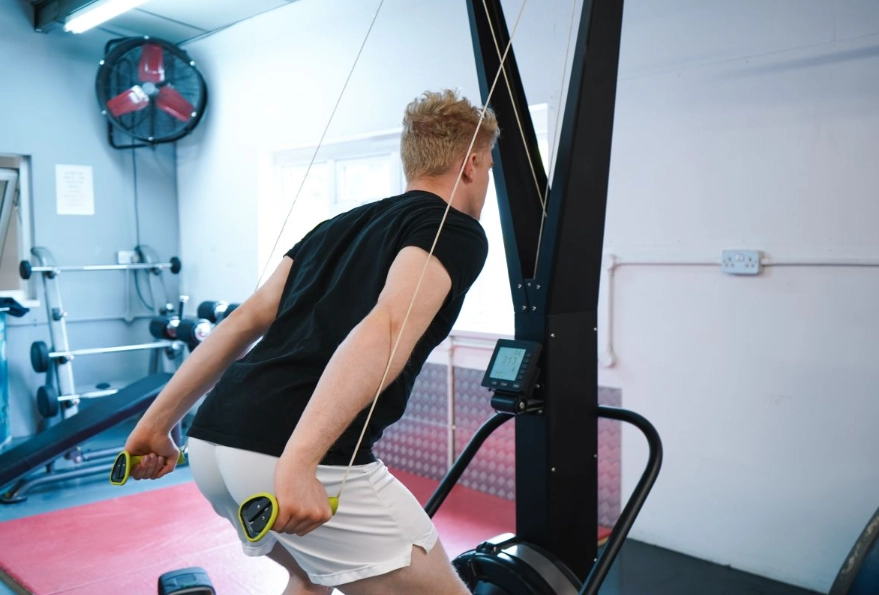
Quick Trail Map
Why Most Ski Fitness Exercises Fail
Most pre-season ski routines are borrowed from bodybuilding or running. That's the problem. In skiing, your quads fire eccentrically under load while your body is tilted forward and your feet are locked into an unforgiving boot. The gym version — a slow back squat — doesn't mimic that at all. I learned this the hard way after a November of heavy deadlifts left me gasping on a blue run at Keystone. The force angle was wrong. The endurance piece was missing.
The fix is exercises that combine eccentrics, balance, and a bit of lateral chaos. You don't need a fancy gym. You need to train the way your legs actually move on snow.
The Seven Ski Fitness Exercises That Work
I've tried dozens. These seven earned their place after three seasons of note-taking at resorts from Alta to Stowe. Do them twice a week, starting six weeks before your trip.
How to Build a Weekly Ski Workout Plan
You don't need to live in the gym. Two focused sessions a week beat five random ones. Here's the structure I follow, and the one I recommend to friends who ski 10–15 days a season.
| Day | Focus | Exercises (from the list above) | Duration |
|---|---|---|---|
| Tuesday | Strength | Wall Sit, Box Step-Down, Single-Leg RDL | 35 min |
| Thursday | Stability & Power | Skater Hops, Lateral Band Walk, Plank Shoulder Tap, Calf Raise | 30 min |
| Saturday (optional) | Endurance | Repeat Tuesday's list with lighter weight, higher reps | 25 min |
A week before your trip, cut volume by half. I made the mistake of going hard two days before a Powder Mountain weekend. My legs were toast by lunch on day one.
Leg Exercises for Skiing That Protect Your Knees
Knee pain is the most common complaint I hear from intermediate skiers. It usually comes from two places: weak hip abductors and poor ankle dorsiflexion. The lateral band walk targets the first. For the second, add this: stand facing a wall, place your toes two inches away, and try to touch the wall with your knee. If you can't, your boots are probably forcing your shin into a bad angle all day.
I also swear by slow step-downs on a low box (six inches is plenty). The slower you go, the more your knee tracks over your toe instead of caving inward. That inward collapse is what gets people hurt on crud.
Common Ski Fitness Mistakes I See Every Season
The biggest one: training for the burn, not for the recovery. Skiing is a series of short, hard efforts followed by a lift ride. If your workout is a steady 30-minute run, you're training the wrong energy system. Interval work — 30 seconds hard, 60 seconds easy — maps much closer to a bump run.
Another one: ignoring single-leg work. Almost everything on snow happens one foot at a time. If both feet are always planted in the gym, you're leaving a gap.
And the quiet killer: skipping the warm-up. I used to jump straight into squats. Now I do two minutes of skater hops and leg swings before any loaded exercise. My knees tell the difference.
My non-negotiable rule: if an exercise hurts your knee joint (not the muscle), stop. Sore quads are fine. Sharp pain under the kneecap means your form or your footwear is off. Get it checked before you get on a lift.
Ski Fitness Exercises FAQ
These ski fitness exercises aren't magic. They're just specific. Do them consistently for a month and your first run will feel different — less burn, more control. That's the whole point.
Fact-checked against guidelines from the American College of Sports Medicine and on-snow testing at resorts in Colorado and Utah. No dates or specific product endorsements.
Comments