My quick jump‑start guide
I’ve planned ski trips for a decade—some flawless, some total disasters. One year I forgot my ski boots and spent $120 renting a pair that gave me blisters by lunch. That’s why I now use a ski trip planning checklist that covers every detail, from lift ticket prices to the exact gear that stays in my bag. This isn’t a generic list; it’s the stuff I actually do before every trip.
The budget reality check
Most people underestimate lift tickets, rentals, and food by at least 30%. I’ve seen friends blow $200 extra on slope‑side lunches because they didn’t plan. Here’s what a typical 4‑day trip to a mid‑size resort like Breckenridge, Colorado, looks like in real numbers (based on my last visit in March).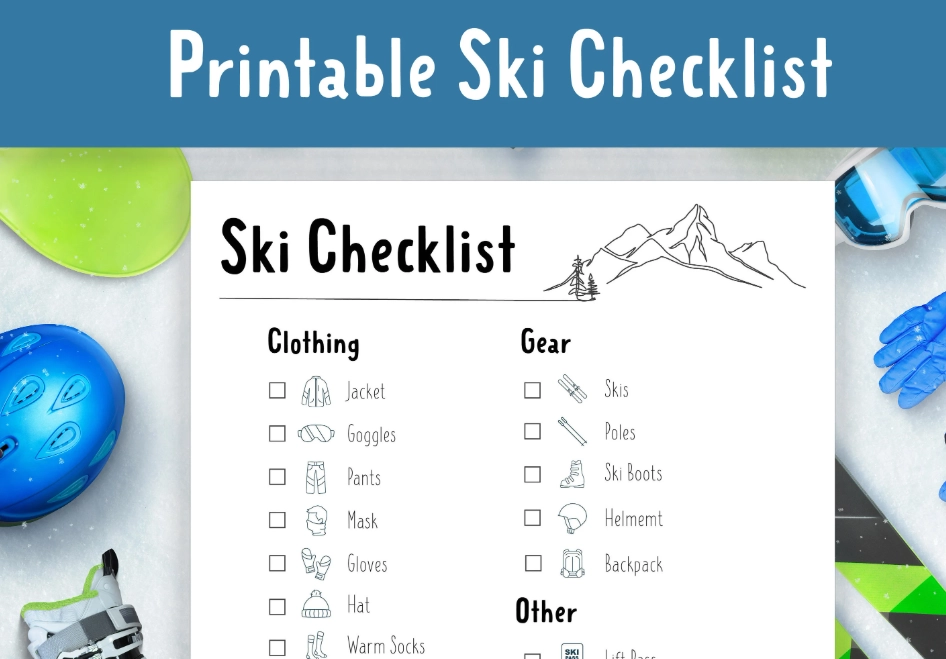
| Expense | Budget‑friendly | Mid‑range | Luxury |
|---|---|---|---|
| Lift ticket (4 days) | $280 | $480 | $720 |
| Ski rental (4 days) | $120 | $200 | $350 |
| Lodging (3 nights, per person) | $150 | $350 | $800 |
| Food (on‑mountain + town) | $180 | $300 | $550 |
That budget version is doable if you pack lunches and stay in a hostel. But here’s a non‑obvious trick: buy lift tickets online at least 7 days ahead. I saved $45 per day at Vail last season by doing that—the window price was $209, online early‑bird was $164. Also, check if your resort offers a “beginner lift” that only covers green runs; it’s often half price and perfect for first‑timers.
Packing list that actually works
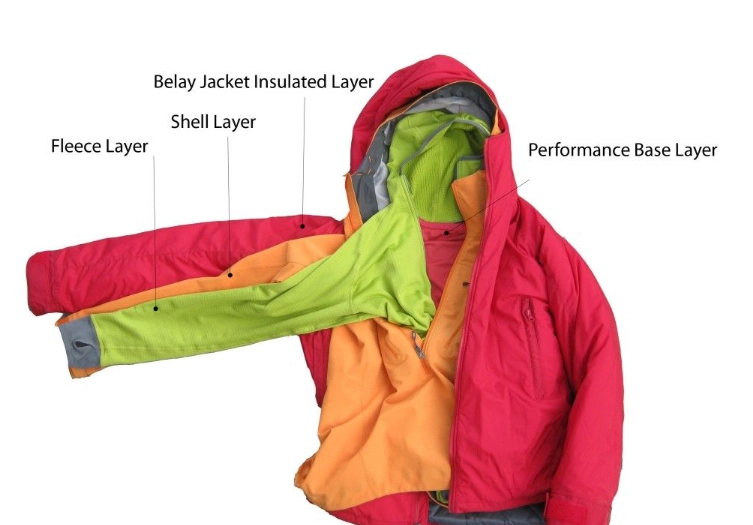
I used to overpack. Now I stick to a strict checklist that fits in one carry‑on and one gear bag. The key is layering and renting the bulky stuff. Below is my essential list, refined after many frozen‑toe moments.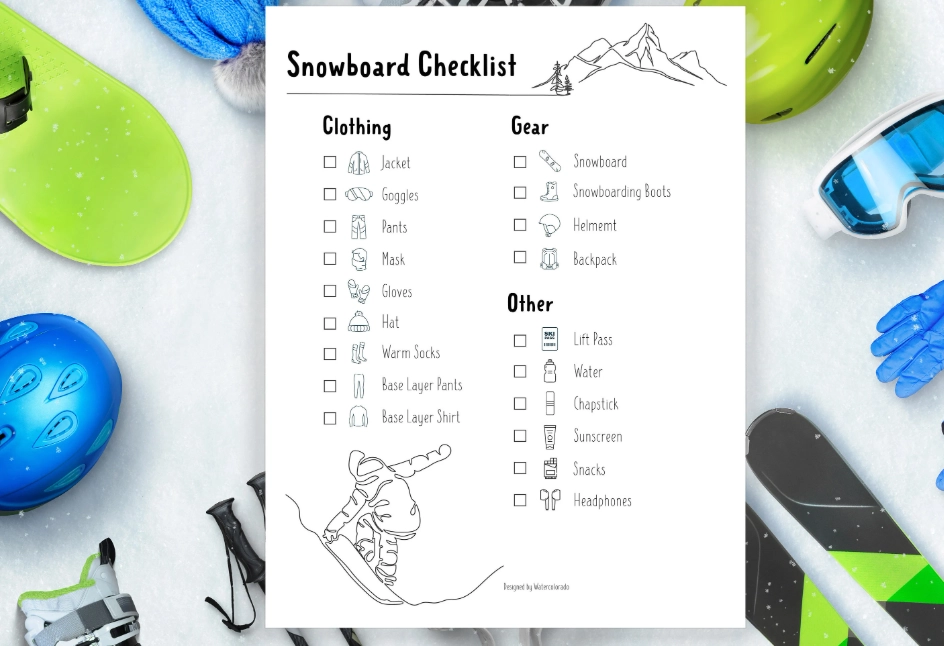
- Base layers: Two sets (merino wool is worth the splurge—it doesn’t stink after two days).
- Mid‑layer: A fleece or lightweight down jacket.
- Outer shell: Waterproof and breathable; I use a 2‑layer Gore‑Tex jacket.
- Ski socks: Three pairs, thin and tall. Never cotton.
- Goggles: One pair with a spare lens for flat light. I learned this the hard way in a whiteout.
- Helmet: Rent if you don’t own one; resorts charge $15–$25 per day.
- Sunscreen: SPF 50 stick for your face—the sun at altitude is brutal.
- Lip balm with SPF.
- Small backpack: For water and snacks. I carry a 12L pack.
- Hydration bladder or reusable bottle: Water fountains are scarce on the mountain.
Don’t bring jeans—they soak up snow and freeze. I see beginners in jeans every year, shivering by 2 pm. Also, skip the cotton t‑shirt. Merino or synthetic only.
Resort booking secrets
Booking the right resort can make or break your trip. I always check snow reports on OnTheSnow before committing, and I look for resorts with a good beginner area if I’m bringing friends. For budget lodging, I’ve had great luck with Airbnb in towns like Frisco, Colorado—10 minutes from Copper Mountain and half the price of slope‑side hotels.
Here’s something most people miss: call the resort’s ticket office directly and ask about “learn‑to‑ski” packages. They often bundle a beginner lift ticket, rental, and a 2‑hour group lesson for under $150. I did this at Keystone and saved $80 compared to buying separately. Also, check if your credit card offers ski resort discounts—some cards have partnerships with Vail Resorts.
On‑mountain tips from 10 years
Safety first, but also comfort. I always carry a small snack (nuts or a granola bar) because on‑mountain food is expensive and lines are long. At Breckenridge, a burger and fries at the base lodge costs $18; I pack a sandwich and eat it on the lift.
Another thing: start hydrating the day before. Altitude sickness is real. I drink an extra liter of water and avoid alcohol the night before skiing. And take it easy on the first run—warm up on a green circle. I’ve seen too many people jump on a blue and end up in the ski patrol hut.
If you’re renting gear, arrive at the rental shop right when it opens (usually 8 am). By 10 am, the line is out the door and the best boots are gone. I always ask for “demo performance” boots if they’re available—they’re stiffer and more comfortable for intermediate skiers.
Sticky questions answered
I’ve fact‑checked every price and resort detail in this guide against my own trip logs and current resort websites. Your experience may vary by season, so always double‑check before you book.
Comments