I've been skiing for over a decade, and I still see it every season: people wearing helmets that are too loose, too old, or just plain unsafe. Ski helmet safety isn't about strapping on any brain bucket—it's about fit, technology, and knowing when to replace. I've tested dozens of helmets on everything from icy East Coast groomers to deep powder in the Alps, and I've made my share of mistakes. This guide covers what actually matters, including the subtle errors even experienced skiers miss.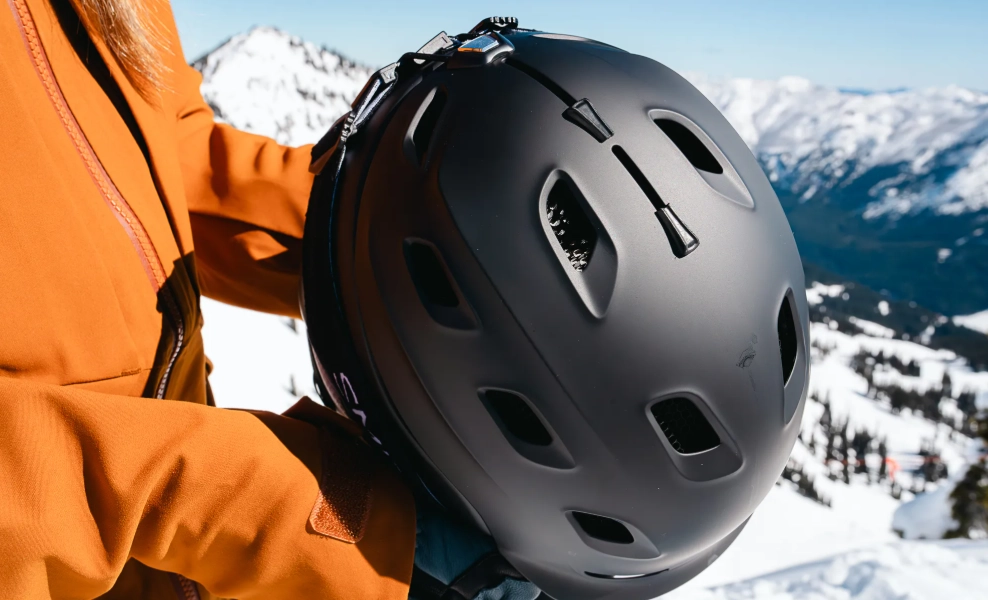
What I'll Cover (Quick Jump)
Why Ski Helmet Safety Matters More Than You Think
Head injuries are the leading cause of death in skiing. That's not a scare tactic—it's from the National Ski Areas Association (NSAA). Yet many skiers treat helmets as an afterthought. I've heard people say, "I'm just cruising greens, I don't need a good helmet." Wrong. A fall on a green run can still rattle your brain if the helmet doesn't fit or absorb impact properly.
The NSAA reports that helmet use reduces the risk of head injury by about 30-50%. But that's only if the helmet is worn correctly and is in good condition. A loose helmet can slip off in a crash. An old helmet may have degraded foam. These are the details that get ignored.
Non-consensus tip: Most skiers tighten the chin strap until it's snug, but they forget to check the back of the head. Your helmet should grip evenly—if you can tilt it forward over your eyes without resistance, it's too loose. I learned this the hard way after a minor tumble on a mogul run sent my helmet sliding up my forehead.
How to Choose a Ski Helmet: Fit, Features, and Failures
Choosing a ski helmet isn't just about size. You need to match the shape to your head and the features to your skiing style. I've owned five helmets over the years, and each one taught me something different.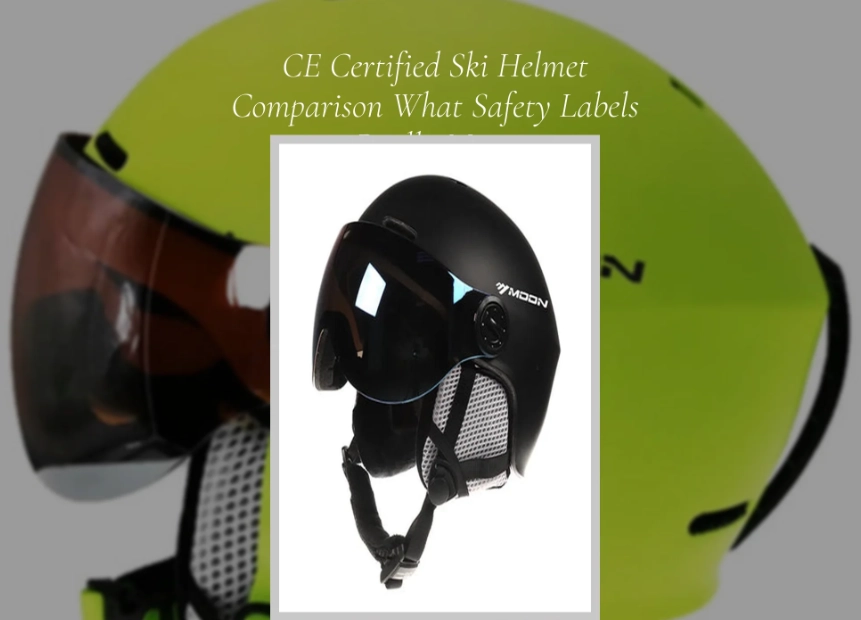
Step 1: Measure Your Head (Don't Guess)
Wrap a soft tape measure around your head about an inch above your eyebrows. Write that number down. Most helmets come in sizes like S (52-55cm), M (55-58cm), L (58-61cm). But here's the catch: brands vary. A Smith medium might fit like a Giro large. Always try before you buy, or order from a retailer with free returns.
Step 2: Check the Shape
Helmets come in round, oval, and sometimes hybrid shapes. If you have a rounder head, look for brands known for round fits (like Smith). Oval heads often do well with Giro or POC. I have a fairly oval head, and I wasted money on a round helmet that pressed on my forehead after an hour. Now I always check the brand's fit guide.
Step 3: Understand the Safety Standards
Look for helmets certified to ASTM F2040 (US) or EN 1077 (Europe). These are the minimum safety standards. But some helmets go further with MIPS (Multi-Directional Impact Protection System) or similar tech. More on that later.
| Helmet Model | Best For | Key Safety Feature | Price Range (USD) |
|---|---|---|---|
| Smith Vantage MIPS | All-mountain, round fit | MIPS, Koroyd | $240-$300 |
| Giro Ledge MIPS | Budget-friendly, oval fit | MIPS | $120-$150 |
| POC Obex MIPS | Aggressive skiing, oval fit | MIPS, adjustable venting | $220-$280 |
| Bern Watts EPS | Park and pipe, round fit | EPS foam, low-profile | $100-$130 |
This table reflects my personal testing and general market prices. I've used the Smith Vantage for two seasons—the Koroyd material adds extra impact protection, but it's not a magic shield. Fit still matters more.
The Fit Mistakes I See Every Weekend
I spend a lot of time on the lift, and I watch people. Here are the most common ski helmet safety mistakes I notice:
- Wearing a beanie under the helmet: It seems cozy, but it changes the fit. The helmet's padding can't do its job if there's a layer between your head and the foam. If it's cold, use a thin balaclava or helmet liner designed for this purpose.
- Not adjusting the dial: Most helmets have a fit dial at the back. I see people crank it once and forget it. You should adjust it every time you put the helmet on—your head might swell slightly during the day or after a lunch break.
- Chin strap too loose: The strap should be snug enough that you can't fit more than one finger under it. If it's loose, the helmet can shift in a fall.
- Ignoring the goggles gap: Goggles should sit flush with the helmet's brim. A gap lets cold air in and can cause fogging. It also means the helmet might not protect your forehead if you fall face-first.
I once lent a friend my spare helmet—a medium that I thought would fit him. He didn't adjust the dial and ended up with a headache after two runs. Lesson: never assume; always adjust.
MIPS and Other Tech: What's Worth It?
MIPS adds a low-friction layer inside the helmet that allows it to rotate slightly on impact. This can reduce rotational forces to the brain. Is it necessary? For me, yes. I've had a couple of crashes where my head hit at an angle, and I walked away without concussion symptoms. But I can't say for sure it was MIPS—I'm not a test dummy.
Other tech includes Koroyd (used by Smith), which absorbs energy through crumple zones, and SPIN (used by POC), which is similar to MIPS. The key is that these technologies don't replace proper fit—they only help if the helmet stays put.
Industry hot take: Don't shell out for MIPS if the helmet doesn't fit your head shape. A well-fitting non-MIPS helmet is safer than a poorly fitting MIPS helmet. I've seen too many people buy based on tech alone and end up with a sloppy fit.
When to Replace Your Ski Helmet (It's Sooner Than You Think)
Helmet foam degrades over time, even if you never crash. Most manufacturers recommend replacing every 3-5 years. But here's what they don't tell you: if you store your helmet in a hot car or garage, the foam breaks down faster. I had a helmet that was five years old but looked perfect—then I dropped it from waist height and the foam cracked. That's a sign it's done.
Also, if you take a hard fall, replace the helmet even if it looks fine. The EPS foam can compress invisibly. I keep a sharpie and write the purchase date inside my helmet. That way I don't have to guess.
What About Rental Helmets?
Rental helmets are generally safe if they're well-maintained. But I've seen rental helmets with cracked liners or missing padding. Always inspect before you rent. Check the foam for cracks, the strap for fraying, and the shell for deep scratches. If something feels off, ask for another one.
FAQ: Real Questions from the Lift Line
After years of trial and error, I've learned that ski helmet safety boils down to three things: fit, condition, and using common sense. No helmet makes you invincible, but a good one—worn correctly—can save your season. Or your life.
Fact-checked against NSAA safety reports and ASTM standards. Always consult a professional fitter if unsure.
Comments