Every April I watch people click into their bindings at 11 a.m., push off onto a mushy slope, and immediately regret it. Spring skiing can be the best part of the season, but only if you treat it differently from mid-winter.
These spring skiing tips come from ten years of chasing corn snow in late season, plus a handful of mistakes I still see people repeat. The biggest one? Showing up at noon and expecting groomer-perfect snow.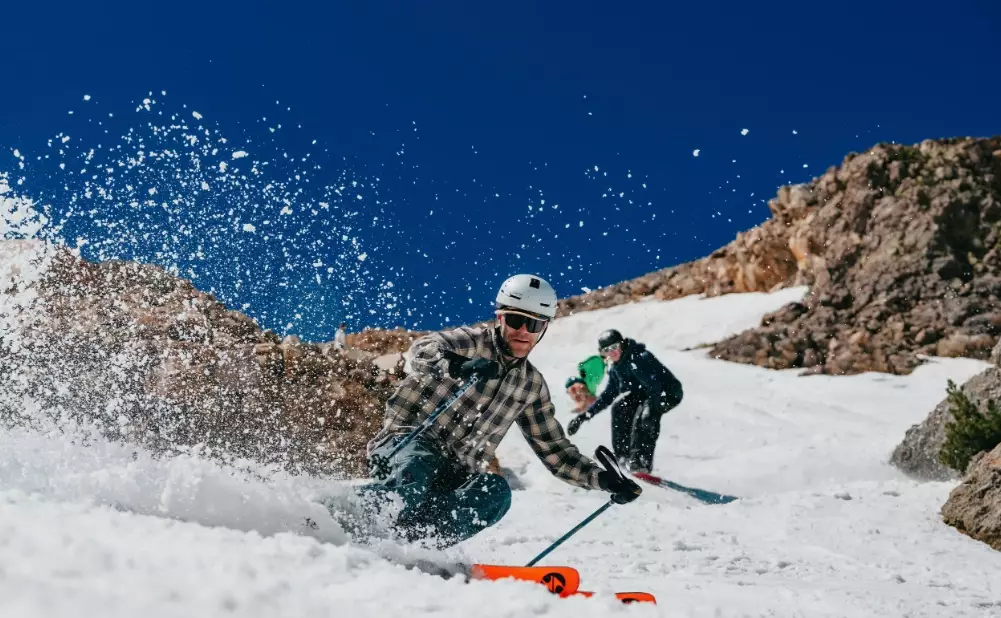
Why Timing Beats Gear in Spring
Snow refreezes overnight. The surface is rock-solid at 8 a.m., turns into soft corn around 10, gets slushy at 1 p.m., and becomes pure mashed potatoes after 2.
I saw this firsthand at a local hill last April. A guy in expensive boots showed up at 12:30, took two runs, and quit. A woman on rental skis started at 9:15 and was still grinning at 1:00.
The takeaway: aim to be on the snow when the freeze starts releasing. Ask a lifty about the overnight low. If it stayed above freezing, the snow will be soft early. If it dropped below 25°F, wait until the sun has hit the slope for an hour.
How to Wax for Warm-Weather Snow
Winter wax grabs warm, wet snow like Velcro. People blame their technique when the real problem is a cold wax formula.
Use a warm-weather hydrocarbon wax or a liquid spray wax rated for 30°F and above. I carry a small rub-on block in my jacket pocket and touch up the tips and tails at lunch. Takes ninety seconds. The difference on wet snow is obvious—you glide instead of sticking.
For the base itself, I skip aggressive structuring. A fine linear structure works better in spring slush than a deep winter grind. Most ski shops will stamp a spring pattern for around $30 or less, and it lasts for seasons.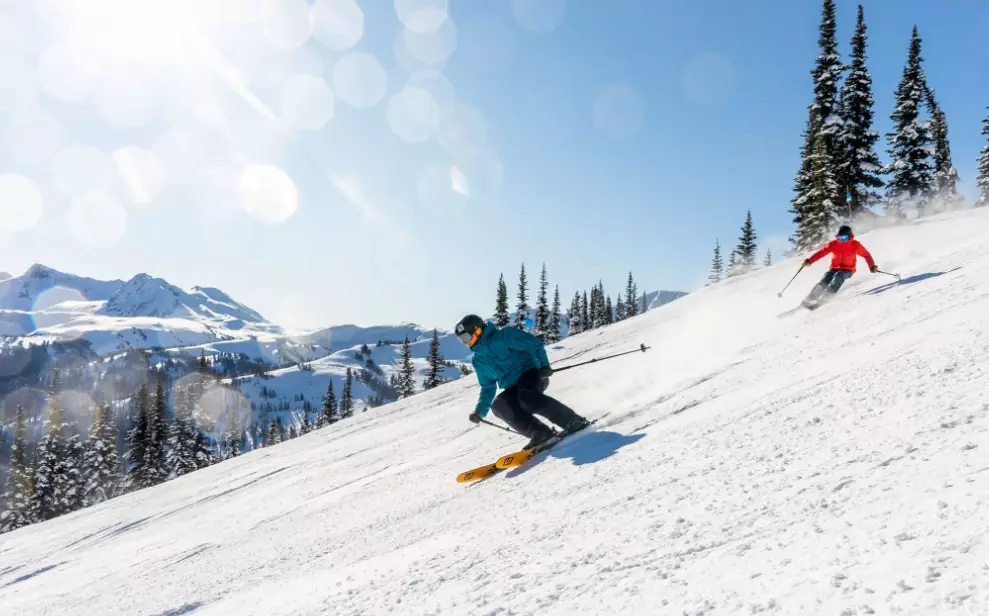
The Slush Technique Nobody Taught You
Here’s the non-consensus bit: don’t lean back. People naturally shift weight to their heels in slush—it feels safer. It’s not. Leaning back drives the tips down, and soft snow catches them, sending you over the handlebars.
Stay centered. Imagine pressing the ball of your foot into the boot, not your heel. Let the skis run a bit faster than you think. Short turns in slush force you to sit back and skid sideways—that’s when knees twist.
If you feel the skis bog down, steer with the downhill foot and let the uphill ski follow. It’s a small adjustment that stops the “stuck in wet cement” feeling.
And don’t skip the outside ski. In crud, the downhill leg has to carry more weight than the uphill leg. Think “step down hard” rather than “tip and turn.”
Sun, Heat, and Hidden Hazards
Spring sun is stronger than winter sun—fresh snow reflects less UV than wet slush. The burn creeps up on you. I’ve had goggle tan lines that took two weeks to fade because I skipped sunscreen on a cloudy April morning.
Reapply SPF 30+ at lunch. The snow surface acts like a mirror.
Also, watch for bare patches and exposed rocks. Earlier in the season, patrol marks them. By late spring, the patrol has already removed some signage. The rule: if you see brown streaks in the snow, slow down. That’s dirt from the base—rocks are nearby.
Hydration matters more than people realize. You sweat more in warm spring temps and breathe dry mountain air. A hydration pack helps, but so does stopping for water every three runs.
One more thing: rattlesnake season starts in some lower-elevation areas. I’ve seen them sunning on warm slopes in April. Stick to groomed trails on south-facing pitches when the sun is high.
Straight Answers to Spring Ski Questions
I’ve tested these spring skiing tips on late-season days at resorts and on backcountry laps. Gear choices, wax temps, and snow texture claims were checked against manufacturer guidelines and local snow reports.
Comments