What's in this guide
I still remember my first day on skis. Twenty minutes into it, I was lying on my back, one ski pointing uphill, the other downhill, wondering why nobody told me how much your shins would hate ski boots. That was years ago. Since then I have watched dozens of beginners repeat the exact same mistakes, and I have made plenty more myself. So here is the practical version of how to ski for beginners, based on what actually happens on the snow, not what looks good in a brochure.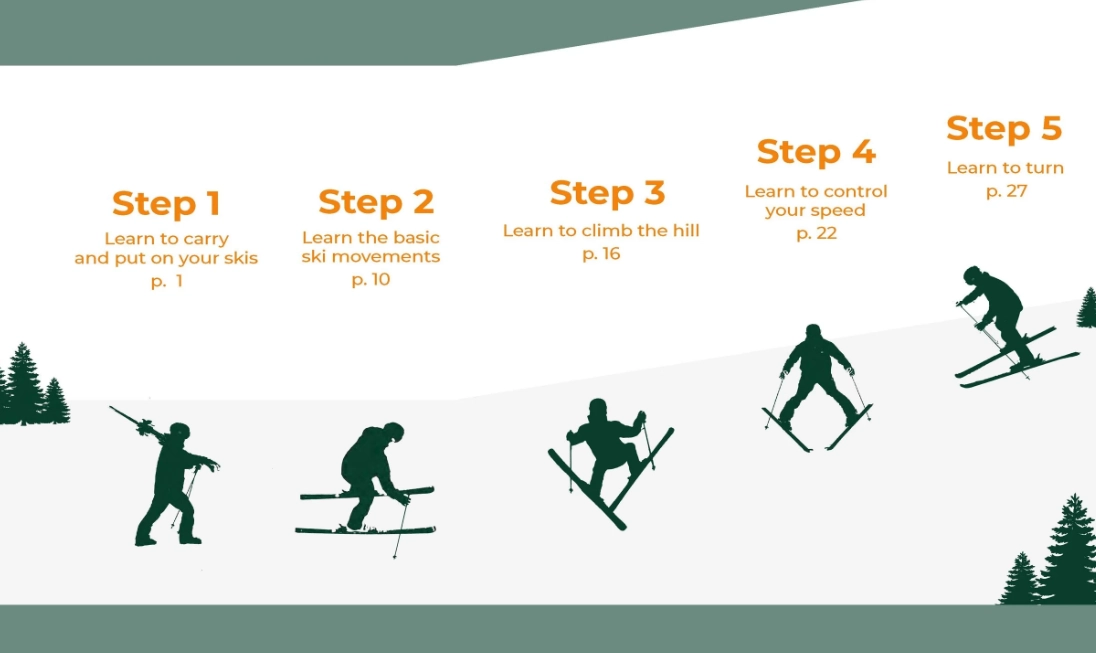
What to Wear Before You Reach the Snow
Most beginner ski guides start with gear. I will start with the stuff that ruins your day before you even click into bindings.
Wear thin wool socks. Not thick cotton ones. Cotton holds moisture, your feet get cold, and then every turn feels like a punishment. One pair of merino socks is enough. If your boots fit correctly, your toes should barely wiggle.
Layer your upper body with a base layer, a light fleece, and a waterproof shell. Skip the puffy jacket unless it is below freezing. You will sweat on the bunny slope, and sweat turns to ice on the lift ride up.
Gloves matter more than goggles for a first-timer. Buy or rent waterproof gloves. Knit gloves turn into wet sponges after one fall.
Why the Rental Shop Is Your First Ski Lesson
The rental shop is where most beginners make their first mistake. They ask for boots that feel snug like sneakers. Ski boots should feel tight around the heel and ankle but allow your toes to touch the front gently. If your toes curl, the boot is too small. If your heel lifts when you lean forward, it is too big.
Here is a trick I learned from a boot fitter in Colorado: wear the liner around the shop for five minutes before you take the boot home. Your foot swells slightly when you stand. That small change tells you whether the fit is right.
Ski length: for a beginner, pick skis that come up to somewhere between your chin and your nose. Shorter skis turn easier. Longer skis go faster and are harder to control. Do not let a rental clerk hand you expert skis because they are the only ones left.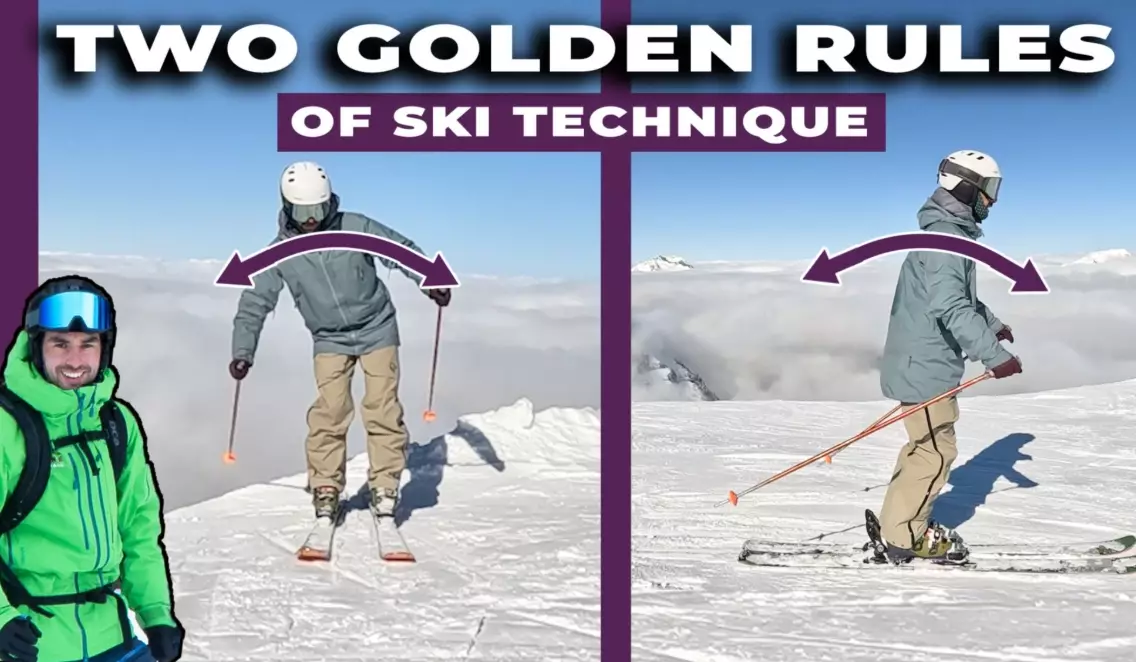
| Rental item | What to check | Typical daily price (US resort) |
|---|---|---|
| Boots | Heel stays down, toes touch front, no pinching | $25–$40 |
| Skis | Top of ski between chin and nose | $30–$50 |
| Helmet | Snug, no pressure points, buckle works | $10–$15 |
| Poles | Flip upside down, handle should touch ground near your hand | $8–$12 |
How to Snowplow Without Burning Your Thighs
Snowplow, or pizza, is the first skill every beginner learns. But most people do it wrong. They push their heels out and lean back. That makes your skis shoot forward and your thighs scream.
Do this instead: stand with skis parallel on a gentle slope. Slide your heels outward slowly, keeping ski tips almost touching. You should feel pressure on the inside edges of your skis. Now bend your knees slightly and lean forward until your shins press against the front of your boots. That forward pressure is what controls speed. Leaning back does the opposite.
Practice on flat ground first. Push yourself with poles and make a wedge. Then try it on a tiny slope. The goal is to stop within three seconds. If you cannot stop, your wedge is not wide enough or you are leaning back.
Your First Run: A Step-by-Step Plan
Skip the main lift. Find the beginner area. At most resorts, that means a magic carpet or a short surface lift. Ask a liftee where the gentlest pitch is. I have saved myself a lot of grief by simply saying, I am on my first day, where should I go?
Here is the plan I give friends:
Step 1: Slide on flat snow with one ski off. Get used to the feeling of sliding. Then put the other ski on and glide straight.
Step 2: Make a wedge and stop. Do it five times in a row without falling.
Step 3: Take the magic carpet up. On the way down, make three wedges and three stops. Do not try to turn yet.
Step 4: Add a turn. Shift your weight to the outside ski of the turn. If you feel your inside ski chatter, you are not committing enough weight.
Most beginners try to turn before they can stop. That is backward. Stopping is the skill that keeps you safe. Turns come naturally once you trust your edges.
FAQ: Real Questions from First-Timers
How do I get up after falling on skis without sliding downhill?
Roll onto your side and bring your skis parallel to the fall line, meaning the tips point across the slope, not downhill. Then push up with your downhill hand. If your skis are pointing downhill, you will slide. I learned this the hard way on an icy slope in Vermont.
Do I really need poles on my first day?
You can leave them at the base. Poles help with balance on flat ground, but on the beginner slope they often get in the way. Many instructors teach the first hour without poles. Your legs and edges do the work.
How do I stop my skis from crossing when I snowplow?
Your weight is probably too far back or you are looking down. Lean forward until your shins touch the boot tongues and look at a fixed point ahead. Also check that your ski tips are only a few inches apart. A wide tip gap makes the tails cross.
Is it normal to feel like I am going too fast on the bunny slope?
Yes. Speed feels scary because you have not built stopping reflexes yet. Stay on the gentlest pitch until you can stop on command. A ski instructor once told me, if you cannot stop in three seconds, you are on a slope that is too steep for you.
This guide was fact-checked against rental shop pricing at major US resorts and beginner progression standards from professional ski instructor associations.

Comments