Hey, before you scroll — here's what I'll cover
I've rented helmets in Chamonix that felt like a vise on my temples, and I've bought online only to discover the shell was way too round for my oval head. Ski helmet fit is not about measuring your head once. It's about the shape, the liner, and how the helmet sits when you actually turn your head on the slope. This guide cuts through the nonsense — the "two-finger rule" I was taught years ago is misleading, and most size charts are only a starting point.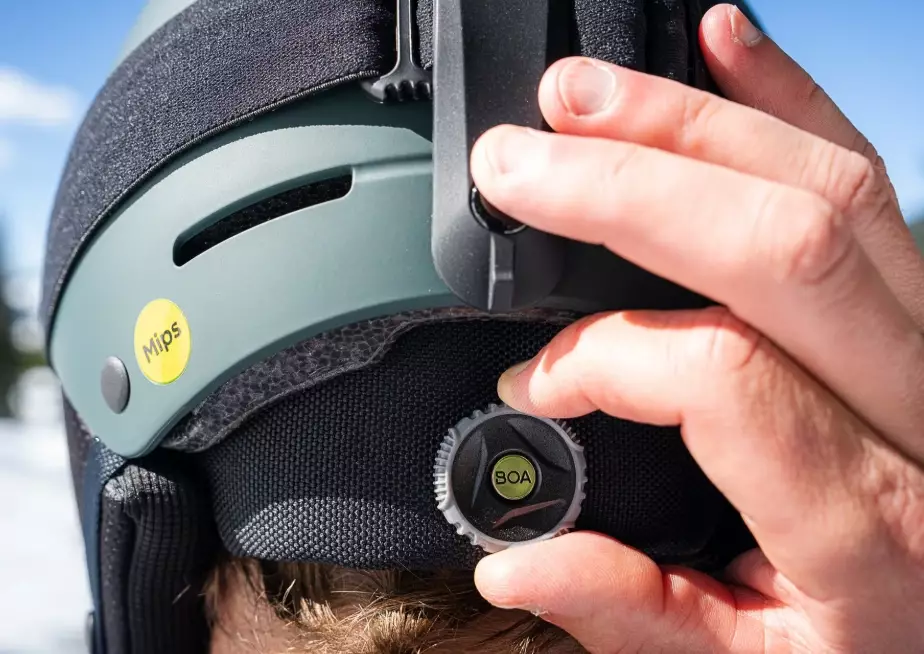
The Two-Finger Rule Lie
You've probably heard that you should fit two fingers between your eyebrows and the helmet's front edge. In my experience, that's a lazy shortcut that leads to people wearing helmets too high on the forehead. The real issue? Rental shops in busy resorts (I'm looking at you, Val Thorens) often use this rule to rush fittings. I once saw a guy with a helmet pushed back so far he looked like he was wearing a beanie. The helmet should sit level, about one finger width above the eyebrows, not two. And if you have a long oval face, that front edge needs to come lower, even if it feels "too close" at first.
Don't trust the two-finger rule blindly. A helmet that sits too high exposes your forehead to windburn and leaves the back of your head vulnerable in a fall. Check the back: the helmet's rear edge should cover the occipital bone (the bump at the base of your skull) without pressing into your neck when you look up.
How Should a Ski Helmet Fit? From Shell Shape to Tightness
Let's break it down. Ski helmet fit has three layers: shell shape, liner thickness, and adjustment system. Ignore any one and you get pressure points or a loose helmet that shifts on impact.
Shell Shape Matters More Than Size
Most helmets come in two head shapes: round and oval. If you have a round head (width and length are similar), a round shell will feel snug evenly. Oval heads need more length. I have an oval head, and I wasted money on a round-shell helmet that squeezed my temples after 30 minutes. The fix? Look for brands that label their shells as "oval" or "round" — Smith and Giro are pretty good about this. If you can't try in person, read reviews from people with your head shape. I know, it's tedious, but it saves you from a headache.
The Liner: Your First Line of Fit
New helmets come with thick liners. They pack out after 10-15 ski days. So when you try a helmet in the store, it should feel snug — almost too snug — but never painful. A common mistake: buying a helmet that feels "just right" out of the box. Two weeks later, it'll be loose. I made that mistake with a Bollé helmet; by day 12, it was wobbling on moguls. Now I always size down if I'm between sizes, as long as there's no pressure on the forehead.
The Adjustment System: Dial It, Don't Crank It
Most helmets have a dial at the back. You should be able to tighten it with one hand while wearing gloves. But don't over-tighten to compensate for a wrong shell shape — that causes hot spots. A good fit means the dial has room to tighten further, but you don't need to crank it hard. If you max out the dial, the helmet is too big.
Ski Helmet Size Chart: What Manufacturers Won't Tell You
Size charts are a starting point, not gospel. I've measured my head at 57 cm, which puts me in a medium for most brands. But depending on the shell, I sometimes need a large. Here's a quick reference table based on my fittings across three major brands. Use it as a guide, but always check the brand's specific chart.
| Head Circumference (cm) | Typical Size | My Experience |
|---|---|---|
| 52-55 | Small | Fits round heads well; oval heads may feel pressure on sides |
| 55-58 | Medium | Most common; check shell shape — Giro tends to run oval, Smith rounder |
| 58-61 | Large | If you're between M and L, go with the brand that offers interchangeable liners |
| 61+ | X-Large | Limited options; consider brands like POC or Sweet Protection for broader shells |
One thing the chart won't tell you: helmet brands sometimes change their shell shapes between model years. A medium in the 2022 Giro Range might fit differently than the 2023 model. Always try before you buy, or order from a retailer with free returns.
Goggle Gap and Pressure Points: Fix Them Before You Freeze
You know that annoying gap between your goggles and helmet? It's not just a style issue — it funnels cold air onto your forehead and can fog your lenses. The fix is simple: bring your goggles when you try on helmets. The helmet's front edge should meet the goggle frame with no skin showing. I learned this the hard way in Jackson Hole, where a 2 cm gap gave me a brain freeze on every lift ride.
Pressure points are trickier. After wearing the helmet for 10 minutes, check your forehead, temples, and the back of your head. Red marks that don't fade after a minute mean the liner is too thick or the shell shape is wrong. Don't try to "break it in" — helmets don't break in like boots. The liner packs out slightly, but pressure points only get worse.
Pro tip from a fitter in Verbier: if you feel pressure on your forehead, try a helmet with a "dial-fit" system that adjusts the occipital cradle, not just the circumference. Brands like Atomic and Salomon have models with this feature.
Should You Buy Online or In-Store? My Honest Take
I get it — online prices are tempting. But ski helmet fit is one of those things where a 10-minute in-store fitting can save you a season of misery. That said, if you're far from a good shop, order from a retailer with a solid return policy (REI, Backcountry). Try the helmet at home for 20 minutes while watching TV. If it hurts, send it back. Don't peel off the stickers until you're sure.
One more thing: check the helmet's certification. Look for CE EN 1077 or ASTM F2040. These are non-negotiable for safety. And if you're buying used, inspect the liner for compressed foam — a helmet that's been in a crash is worthless.
Quick Recap That Actually Helps
Fit is personal. Measure your head, know your shape, try before you buy if possible. The two-finger rule is a myth — aim for one finger above the eyebrows and full coverage at the back. Bring your goggles. Don't size up hoping it'll feel better later. And if you're between sizes, go smaller unless it pinches. That's the honest guide I wish I'd had years ago.
My helmet fits fine in the store but slides back when I ski. What's wrong?
That's a classic sign of a shell shape mismatch — usually a round helmet on an oval head. The back of the helmet doesn't grip your occipital bone. Try a helmet with adjustable occipital cradle or a brand known for oval shells. Also check the dial: if it's maxed out, you need a smaller size.
How tight should a ski helmet be for a beginner?
Snug enough that the skin on your forehead moves when you wiggle the helmet, but not so tight that you feel throbbing. Beginners often buy too loose because they're not used to the pressure. Remember, the liner packs out — a helmet that feels slightly tight now will be perfect after a few days.
Can I wear a beanie under my ski helmet?
Only if the helmet has a removable liner or is sized up specifically for that. A beanie changes the fit and can create pressure points. I've seen people ski with beanies under helmets and then complain about headaches. If you run cold, get a helmet with a warm liner and use a thin balaclava that doesn't add bulk.
This article was fact-checked against manufacturer sizing guidelines and my own fittings in Chamonix, Verbier, and Jackson Hole.

Comments