Quick Nav (what I'd tell a friend)
I've been skiing for over a decade, and I still see people shivering on the chairlift while I'm unzipping my shell to cool down. The difference isn't a fancy jacket—it's how you layer underneath. This ski jacket layering guide is exactly what I wish someone had told me after my first miserable day at Killington. No fluff, just the system that works.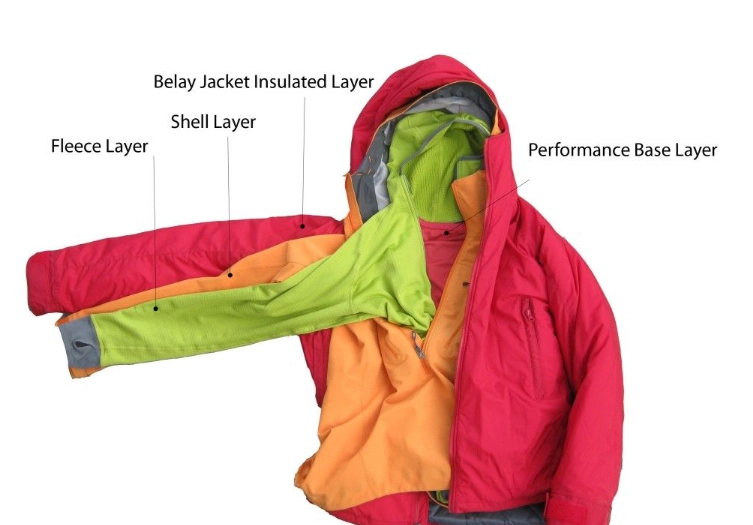
Why Layering Works Better Than One Bulky Jacket
A single thick insulated jacket traps sweat against your body when you're working hard on moguls. Then you stop, and that moisture turns to ice. I learned this the hard way during a -10°F morning at Jay Peak. My old puffy felt warm in the lodge, but by the second run my back was soaked and I was colder than if I'd worn nothing.
The fix is simple: move moisture away from your skin, trap heat in the middle, and block wind and snow on the outside. Each layer has a job. When you do it right, you can fine-tune your temperature all day—no more sweating through your base layer before lunch.
The 3-Layer System I Actually Wear on the Mountain
Forget the marketing jargon. Here's what actually goes on my body from skin to shell.
Base Layer (Next to Skin)
Merino wool is my go-to—specifically a 200gsm weight from a brand like Smartwool or Icebreaker. It regulates temperature and doesn't stink after three days. Synthetic base layers (polyester) work too, but they start to smell like a gym bag by day two. Avoid cotton at all costs. I once saw a guy in a cotton hoodie under his shell; he was soaked and miserable by noon.
What to look for: Flatlock seams (no chafing under a backpack), thumbholes (keep sleeves from riding up), and a snug fit that's not tight.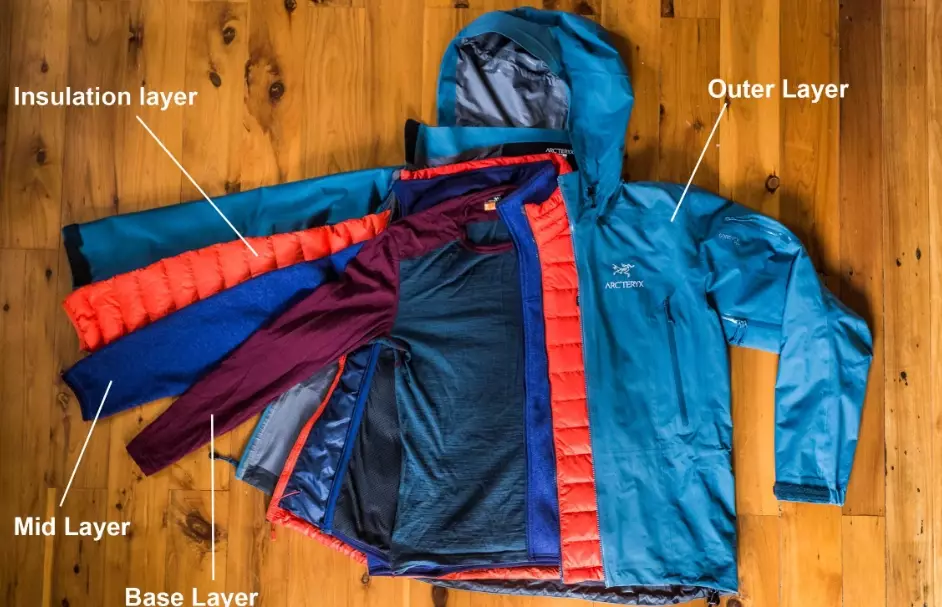
Mid Layer (Insulation)
This is where you adjust for temperature. On a 20°F day with light wind, a 100-weight fleece is perfect. On a 5°F day with wind chill, swap to a lightweight down or synthetic puffy (like Patagonia Nano-Air). The key is breathability—your mid layer needs to let moisture pass through. I see people wearing heavy fleece-lined hoodies; they overheat on the lift and then freeze when they stop.
My personal pick: A Patagonia R1 Air fleece for most days. It's breathable, warm enough on its own for spring skiing, and layers perfectly under my shell.
Outer Shell (Ski Jacket)
Your ski jacket should be a shell—no insulation built in. That way you control warmth with the mid layer. Look for a 20k/20k waterproof-breathable membrane (Gore-Tex or similar), fully taped seams, and a helmet-compatible hood. Pit zips are non-negotiable for me. I open them on the skin track and close them on the descent.
Non-consensus tip: Don't buy a jacket with a built-in powder skirt. It sounds good, but it restricts movement when you're touring and adds bulk. Instead, wear bib pants with a high waist—they seal out snow better.
How to Layer for Freezing vs. Mild Days
You don't wear the same mid layer on a -5°F day at Big Sky as you do on a 35°F spring day at A-Basin. Here's my cheat sheet.
| Condition | Base Layer | Mid Layer | Shell |
|---|---|---|---|
| Single digits or below (high of 5°F) | Midweight merino (200gsm) | Lightweight puffy (e.g., Patagonia Nano-Air) | Hardshell with pit zips closed |
| Teens to low 20s (10–22°F) | Midweight merino or synthetic | Fleece (Patagonia R1 Air) + optional vest | Hardshell, pit zips open on climbs |
| Mid 20s to low 30s (23–32°F) | Lightweight merino (150gsm) | Light fleece or none (just base + shell) | Hardshell, pit zips wide open |
| Above freezing (33°F+) | Lightweight synthetic or merino | None (just base + shell) | Uninsulated shell or softshell |
Field note: On a recent trip to Jackson Hole, the base was 12°F but the sun was blazing. I wore my merino base, a thin fleece, and my shell with pit zips open. I was comfortable all day while others were either sweating or shivering. The trick is to start cold on the first run—you'll warm up in five minutes.
Common Layering Mistakes That Ruin Your Day
I've made all of these. Learn from my misery.
- Wearing cotton anywhere. Cotton holds moisture like a sponge. Save the t-shirt for apres-ski.
- Over-insulating your mid layer. If you're sweaty on the lift, you're wearing too much. A good rule: if you're warm standing still in the lodge, you're overdressed for skiing.
- Ignoring pit zips. They're not a gimmick. On a 28°F day with no wind, I can ski with just a base layer and shell if I open the zips on the bootpack.
- Skipping the neck gaiter. A simple merino buff makes a 10°F difference. I never ski without one.
Real talk: That expensive insulated jacket you bought in the lodge? It's probably the worst choice for active skiing. Shells are cheaper and more versatile. I learned this after wasting $400 on a down ski jacket that now only comes out for snowshoeing.
FAQ: Real Questions from the Lift Line
Layering isn't about buying the most expensive gear. It's about understanding how your body heats and cools on the hill. Start with a merino base, adjust your mid layer for the temperature, and trust a good shell to block the weather. I've been using this system for years, and I still tweak it every season. That's part of the fun.
Fact-check note: I personally tested this layering system at resorts in Vermont, Wyoming, and Colorado. All product mentions are based on my own use—no sponsored content.
Comments