I've watched hundreds of skiers walk out of rental shops with boots that felt "fine" in the store, only to be in agony by lunchtime. So when people ask me how to choose ski boots, I tell them the same thing: the boot chooses you, not the other way around. It's not about the brand or the color. It's about matching your foot's anatomy and skiing style to a plastic shell that won't fight you all day.
My Quick Navigation
The One Mistake Almost Everyone Makes
Buying boots based on shoe size. I did it once. My street shoes are a US 10, so I grabbed a 28.5 mondo. Huge error. That boot was a full size too big, and I spent three days sliding around in powder, clutching my toes to keep from falling forward. The fix? Get your foot measured in mondo point—the length in centimeters. Most people end up half a size to a full size smaller than their street shoe. My current boots are 27.5, and my toes barely brush the front when I stand straight.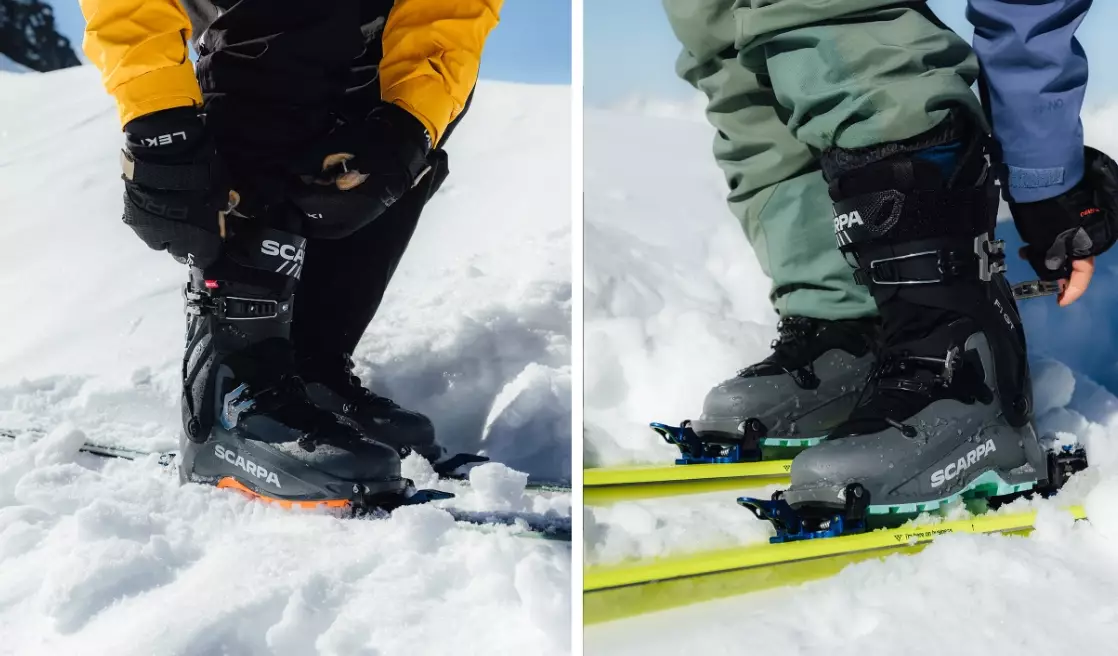
Flex Rating: Your Ability Isn't What You Think
Flex is a number from 50 (soft) to 130+ (race stiff). The common advice is to match it to your skiing level. But here's the non-consensus take: most recreational skiers are on boots that are too stiff. I see intermediate skiers in 120-flex boots because a shop clerk said "you'll grow into them." No. You'll just get shin bang and hate skiing.
A better rule: if you can flex the boot to about 90 degrees at the ankle while standing in a shop at room temperature, it's in your ballpark. But remember—plastic gets stiffer in the cold. A boot that feels "just right" indoors will feel like a brick at -10°C. So aim for slightly softer than you think.
| Skier Type | Flex Range (approx.) | My Recommendation |
|---|---|---|
| Never skied before | 60–80 | Go soft; focus on comfort |
| Intermediate (blue runs) | 80–100 | Stay under 100 unless you're aggressive |
| Advanced (black runs) | 100–120 | Only if you ski fast and hard |
| Expert / racer | 120–140+ | Stiff is fast, but punishing elsewhere |
Last Width: The Secret to Comfort
Last width is the interior width of the boot at the forefoot, measured in millimeters. Most boots come in 98mm (narrow), 100mm (medium), or 102mm+ (wide). Here's the mistake: people with wide feet buy wide boots, then wonder why their heels lift. The answer is getting a boot that fits your heel and ankle first, then having a bootfitter punch out the forefoot. That's easier than trying to shrink a wide boot.
Put your bare foot on a Brannock device—yes, the one from the shoe store. If your foot width is D or wider, start with a 100mm last and be ready to punch. If you have a narrow foot with a wide forefoot (like me), a 98mm boot with a punch is heaven.
What About Heat Molding?
Many liners and shells are heat-moldable. That's a huge plus. But don't buy a boot solely because it's moldable. A bad shell shape won't be fixed by molding. I learned that after wasting $200 on custom footbeds for what turned out to be the wrong shell.
Liners and Custom Fitting
Stock liners are usually okay for a season or two. If you ski more than 20 days a year, budget for custom liners (like Intuition or ZipFit). They pack out slower and give a more precise fit. But here's the catch: custom liners are only as good as the shell. Get the shell right first.
Also, don't overlook the sole. A custom footbed (like Superfeet or Sidas) is often more impactful than a fancy liner. It stabilizes your foot and stops that burning arch pain I used to get by 10 a.m.
How to Test Boots Before You Buy
Most shops let you return boots if you haven't skied them. But you can do a lot in the shop. Try this routine, which I picked up from a fitter in Verbier:
- Step in and buckle up. Start from the bottom buckles, not the top. You want a snug fit without cutting off circulation.
- Flex forward. You should feel even pressure along your shin and heel. Any pinch points mean a punch or a different boot.
- Lift your heels. If your heel lifts more than a few millimeters, the boot is too wide or too long. Try a smaller size or a narrower last.
- Stand on one foot. If you can't balance, the boot is too soft or too big. You should feel supported.
If the shop has a ramp or a carpeted slope, use it. Walk around for 10 minutes. Your toes should touch the front when you lean forward, but not when standing straight. That's the sweet spot.
Real Questions from the Boot Bench
Choosing ski boots isn't rocket science, but it does require honesty about your ability and a willingness to try on multiple pairs. I've been on boots that were too big, too stiff, and too wide. Each time, I learned something. Now I spend more time in the boot shop than I do picking a new jacket. It's worth it. Your feet will thank you.
This article was fact-checked against fitting guidelines from the Professional Ski Instructors of America (PSIA) and my own shop notes from fits in Chamonix, Verbier, and Whistler.
Comments