Most people think snow safety avalanche basics means buying a beacon, probe, and shovel. I used to think that too. Then I watched a buddy with ten years of backcountry experience trigger a small wind slab on a 28-degree slope in Colorado. His gear was perfect. His terrain reading was not. That day taught me the real basics: the mountain decides, not your gear list.
Quick Nav
What Are Snow Safety Avalanche Basics?
Snow safety avalanche basics are the three skills you use before and during a backcountry day: checking the forecast, reading terrain, and practicing rescue. Gear sits underneath all three. If you skip the first two, the third one becomes a body recovery.
The Avalanche.org forecast is your starting point. I check it the night before and again at the trailhead. Forecasts change with wind and temperature. The forecast center name matters too. A forecast for the Front Range does not mean the same thing for the San Juans.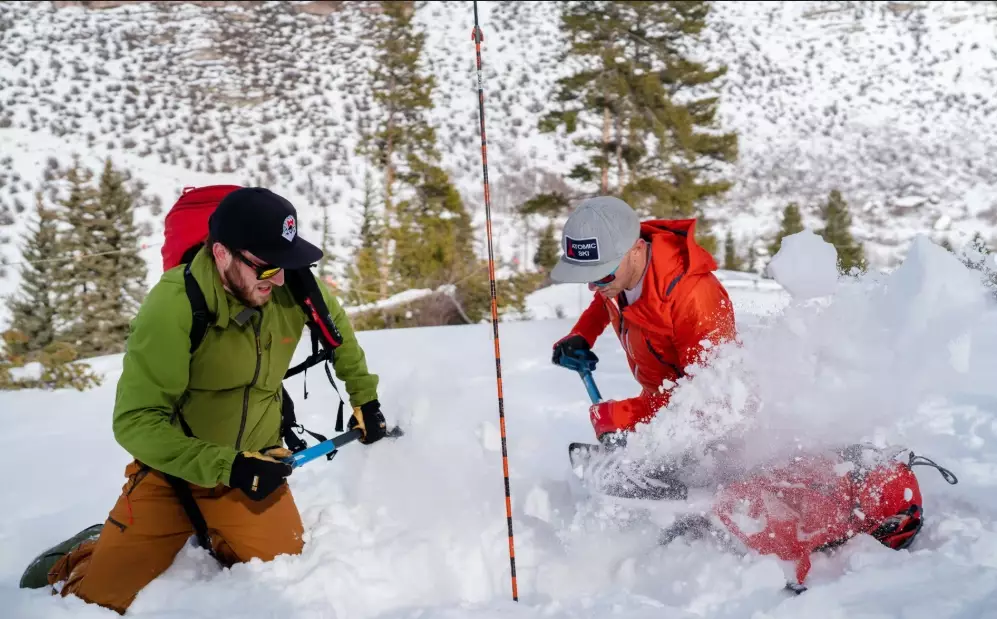
Non-obvious point from experience: A moderate danger rating scares me more than considerable. Moderate days put people in exposed terrain thinking it is safe. Considerable days keep cautious riders on low-angle slopes. The rating does not match the risk.
How to Read Avalanche Terrain
Terrain reading is the skill that separates a safe day from a lucky day. I look at three things before I ever step onto a slope: angle, shape, and recent load.
Slope angle and what it tells you
Most avalanches start on slopes between 30 and 45 degrees. A 28-degree slope can slide if the snowpack is weak. I carry a slope meter. Guessing is how people get caught. On a recent tour near Berthoud Pass, I measured a slope that looked gentle from below at 34 degrees. That reading changed my route.
Terrain traps and runout
Even a small slide can kill you if it pushes you into a tree, a cliff, or a terrain trap. I ask myself one question before committing: if this slope slides, where does the debris go? If the answer is a gully or a dense tree stand, I pick another line. This is the part most people skip.
Wind loading and red flags
Wind moves snow. Fresh wind slabs form on lee slopes. I look for shooting cracks, recent avalanche debris, and hollow drum-like sounds under my skis. Those are red flags. They mean the snowpack is talking. I listen and back off.
Gear Check That Actually Matters
Your transceiver, probe, and shovel keep you alive, but only after a partner has practiced with them. I see people with new gear and zero rescue drills. That combination is dangerous because it creates false confidence.
- Transceiver: Practice a search at home before every trip. I do one in my yard with a hidden beacon. It takes ten minutes.
- Probe: A 240cm probe beats a 220cm one for deep burials. I swap to a longer probe in spring.
- Shovel: A metal blade, not plastic. Plastic cracks in cold temperatures. I have seen it happen.
The U.S. Forest Service National Avalanche Center offers free rescue practice resources. Use them.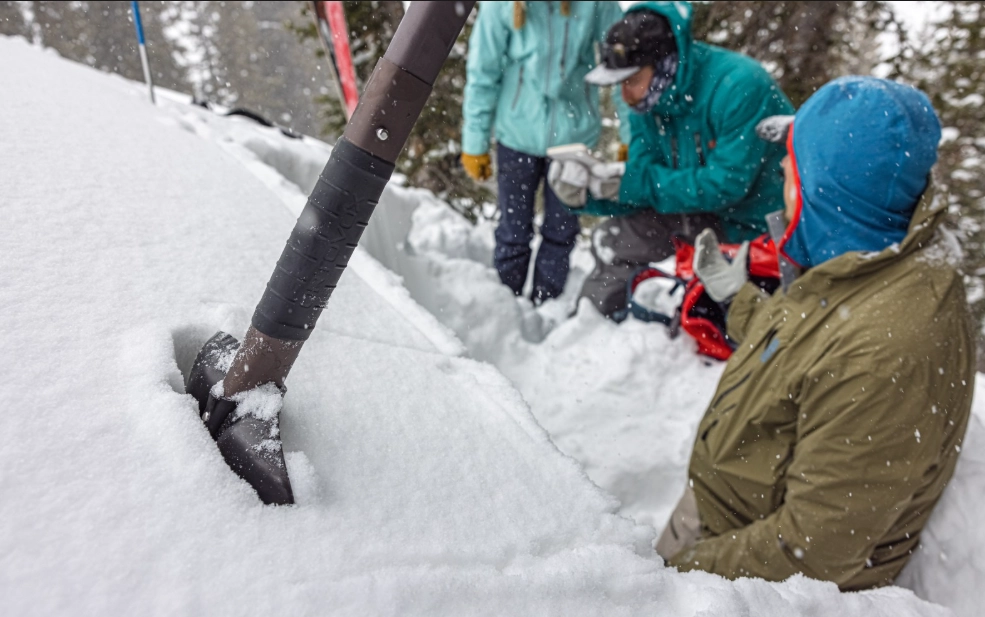
The Forecast Pitfall Nobody Warns You About
People read the danger rating and stop there. The rating is a summary, not a plan. I read the discussion section first. That is where forecasters explain the problem, the aspect, and the elevation band.
On one trip to Loveland Pass, the rating was moderate. The discussion said wind slabs on north and east aspects above treeline. My group wanted a north-facing bowl. The rating said moderate, but the discussion described our exact slope. We picked a south-facing low-angle run instead. That decision avoided the exact problem the forecaster warned about.
Common beginner mistake: Checking the forecast once in the morning and treating it like a fixed rule. I check it again at midday. Warm temperatures and sun change the snowpack fast. A slope that was safe at 9 a.m. can be wet and loose by 1 p.m.
Companion Rescue in the First 15 Minutes
Survival odds drop fast after 15 minutes. Your partner is your rescue team. I practice a full beacon search, probe strike, and shovel dig every month during winter. It sounds obsessive. It is not. Muscle memory fades.
In a rescue, I follow four steps: mark the last seen point, do a coarse beacon search, probe confirm, and dig. Do not skip the probe. Digging to a signal without a probe wastes minutes. I learned that during a drill where I dug in the wrong spot for six minutes.
Field Questions I Actually Get Asked
Do I really need avalanche training if I stay inbounds?
Inbounds avalanche control reduces risk, not risk zero. Ski patrol does not sweep every slope after a big storm. I have seen small inbounds slides near closed terrain. A basic awareness course helps you read closure signs and red flags. It costs one evening and changes how you see the mountain.
What is the biggest snow safety avalanche basics mistake you see?
Skiing the same slope you skied last season without checking this season's snowpack. Snow changes every storm. A slope that was safe in December can be dangerous in February. I re-read terrain every trip, even on familiar routes.
How do I pick partners who are safe?
Ask them to show you their rescue drill routine. If they cannot explain a beacon search or say they have not practiced since last winter, that is a warning. I would rather tour with a cautious beginner than a confident person who never practices.
Is a moderate forecast safe for a beginner backcountry skier?
Moderate does not mean beginner-friendly. The danger rating does not know your skill or your slope choice. I take beginners to low-angle slopes under 25 degrees on moderate days. The rating is not a green light. It is one data point.
This article was fact-checked against forecast and rescue guidance from Avalanche.org and the U.S. Forest Service National Avalanche Center.
Comments